
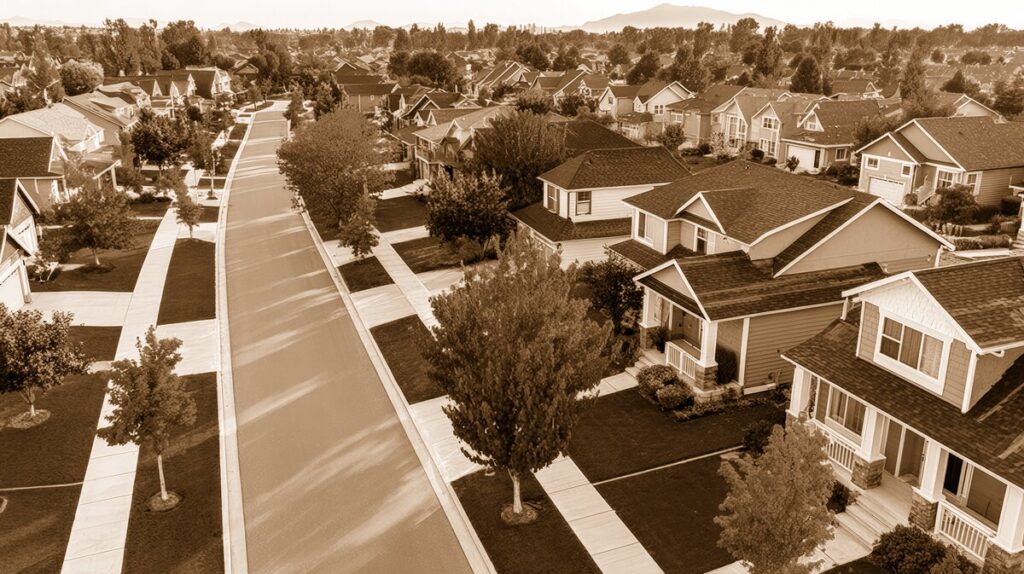
Nestled southwest of downtown Schenectady, the Bellevue neighborhood is a place where the past and present meet in comforting harmony. With elegant tree-lined streets, a proud industrial heritage, and generations of close-knit families, Bellevue has long been considered one of the Capital Region’s most underappreciated communities. From its origins in the early 20th century to the proud homes and local traditions that endure today, Bellevue’s story is a remarkable chapter in Schenectady’s history.
Origins and the Birth of Bellevue
The land that would become Bellevue was largely farmland and woodland well into the late 1800s. As Schenectady grew with the arrival of the railroad and, later, the General Electric (GE) plant, farmland on the city’s west side began transforming into residential neighborhoods for the booming workforce. The neighborhood’s name—French for “beautiful view”—likely reflected the area’s gentle elevation and its views toward the Mohawk River valley.
Bellevue started to take shape in the first decades of the 20th century, as land was subdivided for houses. Many of its earliest homes, particularly along Belleview Avenue, Congress Street, and Avondale Road, were built to accommodate GE’s rapidly expanding workforce. The area was prized for its proximity to the GE Main Works on Erie Boulevard and easy access to Schenectady’s bustling downtown.
How Bellevue Got Its Name
The story of Bellevue’s name is charming in its simplicity. As was common in that era, developers wanted to give new neighborhoods names that evoked an appealing image. “Bellevue”—meaning “beautiful view”—captured the quiet, slightly elevated setting and the promise of a fresh start for new residents coming to Schenectady in search of work and a better life. The name itself is woven into the fabric of the neighborhood, marked by signs and the stately Bellevue Woman’s Hospital.
Key Historical Milestones
- Early 1900s: Residential Growth
As GE attracted thousands of workers, Bellevue’s grid of neat, modest homes grew quickly. Architectural styles from this era can still be seen, including Craftsman bungalows, foursquares, and Colonial Revivals.
- 1920s-1930s: Community Institutions
The construction of *Bellevue Woman’s Hospital* in 1931 was a major milestone. Built on 2210 Troy-Schenectady Road, it was among the first hospitals in New York dedicated to women’s health, standing as a local landmark for nearly 80 years.
- Post-War Boom
After World War II, Bellevue thrived as returning veterans bought homes and started families. Churches, parks, and small local businesses sprang up to serve the neighborhood’s growing population.
- Recent Decades
While GE’s workforce has shrunk, Bellevue remains a vibrant residential community, prized for its affordable homes, safe streets, and strong sense of identity.
Notable Landmarks and Buildings
- Bellevue Woman’s Hospital
For decades, this institution was a point of pride for the neighborhood. It fostered generations of life and healing, and its iconic brick building still stands as a symbol of service and community.
- Lansing Park
Located at the intersection of Congress Street and Van Vranken Avenue, Lansing Park is cherished by Bellevue residents. With its playground, ball fields, and shaded picnic areas, it’s a hub for community gatherings.
- Our Lady of Grace Church
Situated on Second Avenue, this church has been a faith cornerstone for many Bellevue families—hosting religious services, festivals, and charity events that have shaped the neighborhood’s communal spirit.
- Classic Bellevue Bungalows
The tree-dappled streets around Avondale Road and Congress Street are lined with early-20th-century homes that display the craftsmanship and detail of a bygone era.
The Streets and Parks that Define Bellevue
Every neighborhood has its “heart,” and in Bellevue, it can be found in the gentle curves of its streets and the warmth of its local parks. Congress Street is the neighborhood’s unofficial main street, running from Erie Boulevard deep into Bellevue and connecting residents to key destinations. Second Avenue and Belleview Avenue are also central to everyday life, while Cox Avenue and Avondale Road offer quiet, inviting stretches of family homes.
Parks like Lansing and Central Park (just across the neighborhood border) are beloved escapes. Bellevue’s own parks echo with the laughter of children and the cheers from impromptu ball games—reminders that a rich community life persists here.
How Bellevue Has Evolved
Bellevue’s story is one of resilience and adaptation. While the factories and mills that once shaped daily life have gone quiet, the sense of neighborliness remains. Unlike some rapidly changing urban neighborhoods, Bellevue retains much of its original architecture and family-friendly charm.
- Diverse Community: Today, residents of all backgrounds call Bellevue home. Newer arrivals blend traditions with the deep roots of longtime families who have lived here for generations.
- Community Pride: Residents contribute to local beautification projects, participate in block parties, and organize neighborhood watches that foster a spirit of cooperation.
- Access and Opportunity: With bus routes along Congress Street and easy access to downtown Schenectady, Bellevue offers suburban tranquility just minutes from the city’s amenities.
What Makes Bellevue Special Today
Ask any resident, and they’ll tell you—Bellevue is a neighborhood that “feels like home.” It’s a place where neighbors greet each other on front porches, where childhood friends grow up and then return to raise their own kids, and where generations gather in familiar parks each summer.
It’s not just the history that makes Bellevue unique; it’s the quiet pride, the sturdy houses, the welcoming streets, and the knowledge that here, in this part of Schenectady, the “beautiful view” remains as much about people as places.
Lasting Legacy
From its origin as farmland on the edge of a growing city to its role as a cradle for families and friendships, Bellevue’s heritage endures. Residents and newcomers alike keep the stories alive—not just through the neighborhood’s physical landmarks, but through the everyday acts of community.
If you stroll down Congress Street or share a laugh in Lansing Park, you’re a part of Bellevue’s continuing story—a small but vital piece of Schenectady’s rich tapestry.